 contact@scottishbeautyexpert.com

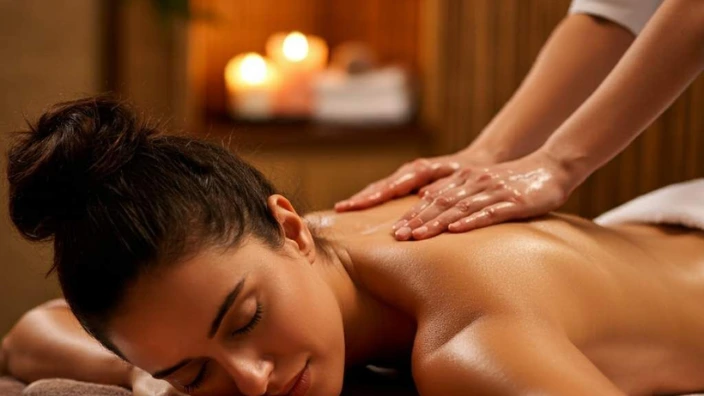
The spa and wellness industry continues to grow as more clients look for treatments that support relaxation, stress relief, body care, and overall wellbeing. From massage and facials to body treatments and professional client care, spa therapy remains one of the most trusted and in-demand areas of the beauty industry.
A Complete Spa Therapist Course is designed for learners who want to build strong practical skills and prepare for a professional career in spa, beauty, and wellness environments. This type of course can be suitable for beginners, beauty therapists, career changers, and anyone who wants to offer relaxing, high-quality treatments in a salon, spa, hotel, clinic, or freelance setting.
For learners in Scotland, a Complete Spa Therapist Course in Glasgow or Aberdeen can be a strong route into a practical, client-focused beauty career with long-term opportunities.
What Is a Complete Spa Therapist Course?
A Complete Spa Therapist Course is a professional beauty and wellness training course that teaches learners a range of spa treatment skills. Instead of focusing on only one treatment, this course usually covers multiple areas of spa therapy so students can build a broader treatment menu.
A complete spa therapy course may include training in:
- Body massage
- Facial treatments
- Body exfoliation
- Body wraps
- Relaxation techniques
- Client consultation
- Professional hygiene
- Treatment room preparation
- Aftercare advice
- Spa client care standards
The aim is to help students understand how to deliver professional spa treatments safely, confidently, and with a high standard of client care.
This course is valuable because spa therapy is not only about technique. It is also about creating a calm experience, understanding client needs, maintaining professionalism, and helping clients feel relaxed, looked after, and confident in your service.
Why Spa Therapy Is a Popular Career Choice
Spa therapy is popular because it combines beauty, wellness, relaxation, and client care. Many clients now see spa treatments as part of their regular self-care routine rather than an occasional luxury.
Clients often book spa treatments for:
- Stress relief
- Muscle relaxation
- Skin care
- Body exfoliation
- Relaxation and wellbeing
- Special occasions
- Self-care routines
- Gift experiences
- Hotel and spa breaks
This makes spa therapy a strong career option for learners who want to work in a practical, hands-on industry with regular client demand.
For beauty professionals, spa therapy also creates opportunities to build repeat bookings, treatment packages, and premium service menus.
Why Choose a Complete Spa Therapist Course?
A Complete Spa Therapist Course is a strong option because it gives learners a wider skill set than a single treatment course. Instead of only learning one technique, students can develop multiple treatment skills that can be used in different professional settings.
This type of course can help you:
- Start a career in spa and beauty therapy
- Build confidence with real client treatments
- Learn professional massage and body care techniques
- Understand consultation and aftercare
- Offer a wider treatment menu
- Work toward salon, spa, hotel, or freelance opportunities
- Progress into advanced beauty or holistic therapy training
For beginners, it can be a practical first step into the beauty and wellness industry. For existing therapists, it can help expand services and improve employability.
Complete Spa Therapist Course for Beginners
A Complete Spa Therapist Course for beginners can be suitable for learners who are new to the beauty industry and want structured training. Spa therapy is a good starting point because it teaches essential professional skills such as client communication, hygiene, treatment preparation, body awareness, and hands-on technique.
Beginners may learn how to:
- Prepare a professional treatment room
- Consult with clients before treatment
- Understand basic body and skin care principles
- Perform massage movements safely
- Deliver relaxing spa treatments
- Maintain hygiene and safety standards
- Give professional aftercare advice
- Build confidence working with clients
This foundation can support future learning in massage, facials, holistic therapy, advanced skincare, or beauty therapy.
What You Learn in a Complete Spa Therapist Course
A good spa therapist course should combine theory, practical demonstration, and hands-on training. Students need to understand both the treatment method and the professional standards expected in a spa environment.
Client Consultation
Consultation is an important part of spa therapy. Before treatment, the therapist should understand the client’s needs, medical history, treatment goals, lifestyle, and any contraindications.
Students may learn how to ask professional consultation questions, identify when treatment may not be suitable, and explain the treatment process clearly.
Body Massage Techniques
Body massage is often a central part of spa therapy. Learners may be taught massage movements such as effleurage, petrissage, kneading, friction, and gentle pressure techniques.
Massage training helps students understand rhythm, pressure, body positioning, and client comfort.
Facial and Skincare Basics
Many spa therapists are also trained in facial treatments. This may include cleansing, skin analysis, exfoliation, mask application, facial massage, moisturising, and aftercare.
Facial skills are useful because they allow therapists to offer both body and skincare treatments.
Body Exfoliation
Body exfoliation treatments help remove dead skin cells and leave the skin feeling smoother. Students may learn how to apply scrubs safely, prepare the skin, and finish the treatment professionally.
Body Wraps and Spa Treatments
Some complete spa therapy courses include body wrap training. These treatments may be used for relaxation, skin softening, or spa package experiences.
Students may learn how to apply products, wrap the client comfortably, manage treatment timing, and maintain dignity throughout the service.
Treatment Room Preparation
A professional spa experience starts before the client enters the room. Learners may be taught how to prepare the couch, towels, products, lighting, music, and treatment environment.
This helps create a calm and professional client experience.
Hygiene, Safety, and Professional Standards
Spa therapists must maintain high hygiene standards. Training should include hand hygiene, towel handling, couch cleaning, product hygiene, contraindications, record keeping, and safe working practices.
Aftercare Advice
Aftercare helps clients understand how to get the best from their treatment. Students may learn how to advise clients on hydration, rest, skincare, homecare, and when to book their next treatment.
Benefits of Taking a Complete Spa Therapist Course
A complete spa therapy qualification can offer several professional and commercial benefits.
Wider Treatment Skills
You can learn multiple spa treatments instead of limiting yourself to one service.
Better Career Opportunities
Spa therapy skills can support work in salons, day spas, hotel spas, wellness centres, cruise ships, and freelance beauty businesses.
Strong Client Demand
Relaxation, massage, facials, and body treatments remain popular with clients looking for regular self-care.
Repeat Booking Potential
Many spa clients book monthly or seasonal treatments, helping therapists build regular income.
Professional Confidence
Training helps learners feel more prepared when working with real clients.
Pathway Into Advanced Treatments
Spa therapy can lead into advanced massage, holistic therapies, skincare, aesthetics, or beauty therapy courses.
Career Opportunities After a Complete Spa Therapist Course
After completing a professional and insurable course, learners may be able to work in several areas of the beauty and wellness industry.
Spa Therapist
You may work in a day spa, hotel spa, wellness centre, or luxury treatment environment.
Beauty Salon Therapist
Many salons offer massage, facials, and body treatments as part of their service menu.
Hotel or Resort Spa Therapist
Hotels often require trained therapists who can deliver professional treatments for guests.
Freelance Spa Therapist
Some learners choose to work independently, offering treatments from home, mobile appointments, or private treatment rooms.
Home-Based Beauty Business Owner
Spa treatments can work well within a home-based beauty setup when hygiene, insurance, and professional standards are followed.
Progression Into Holistic or Advanced Beauty
Spa therapy can also support future training in aromatherapy, reflexology, advanced massage, skincare, or aesthetics.
Why Spa Therapy Is Good for Business Growth
Spa therapy is commercially useful because treatments can be packaged, repeated, and combined with other beauty services. This makes it valuable for salons, freelancers, and home-based therapists.
You can create treatment packages such as:
- Full body massage packages
- Facial and massage packages
- Relaxation spa packages
- Bridal spa preparation treatments
- Monthly wellness treatments
- Body exfoliation and wrap packages
- Self-care gift voucher treatments
Spa therapy also works well with other services such as facials, skincare, waxing, brows, lashes, nails, and holistic treatments.
This allows therapists to increase treatment value and encourage clients to return regularly.
Who Should Take a Complete Spa Therapist Course?
A Complete Spa Therapist Course may be suitable for:
- Beginners starting a beauty career
- Beauty therapists expanding their skills
- Massage learners wanting broader training
- Salon owners adding spa treatments
- Freelancers building a treatment menu
- Career changers entering beauty and wellness
- Skincare therapists wanting body treatment skills
- Learners interested in hotel or spa employment
This course can be especially useful for learners who enjoy hands-on treatments, client interaction, relaxation services, and practical beauty work.
What Makes a Good Spa Therapist?
A good spa therapist needs more than technical ability. Clients expect a calm, professional, and comfortable experience from beginning to end.
Important spa therapist qualities include:
- Good communication
- Professional appearance
- Clean working habits
- Calm and respectful manner
- Strong treatment technique
- Good time management
- Client care skills
- Confidence with consultation
- Ability to create a relaxing environment
Training helps develop these qualities so learners can provide treatments that clients trust and return for.
Final Thoughts
A Complete Spa Therapist Course is a strong training choice for anyone who wants to build a professional career in beauty, spa, and wellness. It gives learners the opportunity to develop practical skills in massage, facials, body treatments, consultation, hygiene, aftercare, and client care.
For beginners, it can provide a clear route into the beauty industry. For existing therapists, it can help expand services and improve career opportunities. For salon owners and freelancers, it can support business growth by adding popular, repeatable treatments to the service menu.
Whether you are looking for a Complete Spa Therapist Course in Glasgow, a Complete Spa Therapist Course in Aberdeen, or professional spa therapy training in Scotland, this course can help you build the confidence and skills needed to work in a growing wellness-focused industry.
FAQs
What is a Complete Spa Therapist Course?
A Complete Spa Therapist Course is a professional training course that teaches learners how to perform spa treatments such as massage, facials, body exfoliation, body wraps, consultation, hygiene, and aftercare.
Is the Complete Spa Therapist Course suitable for beginners?
Yes, depending on the course entry requirements, it can be suitable for beginners who want to start a career in beauty, spa, and wellness.
What jobs can I do after a spa therapist course?
You may work as a spa therapist, beauty salon therapist, hotel spa therapist, freelance therapist, or home-based beauty business owner.
Can I work in a spa after completing this course?
If the course is accredited and insurable, it may support professional work in spas, salons, wellness centres, or freelance settings.
What treatments are included in spa therapy training?
Spa therapy training may include massage, facials, body exfoliation, body wraps, client consultation, hygiene, and aftercare.
Is spa therapy a good career?
Yes. Spa therapy can be a strong career choice because clients regularly book massage, facials, body treatments, and relaxation services.
Can I start my own business after a spa therapist course?
Yes, many trained therapists offer treatments independently through a home-based business, freelance work, or private treatment room, subject to insurance and local requirements.
What can I study after a spa therapist course?
You can progress into advanced massage, aromatherapy, reflexology, skincare, holistic therapy, facials, or advanced beauty treatments.