contact@scottishbeautyexpert.com






Dermaplaning Diploma Course
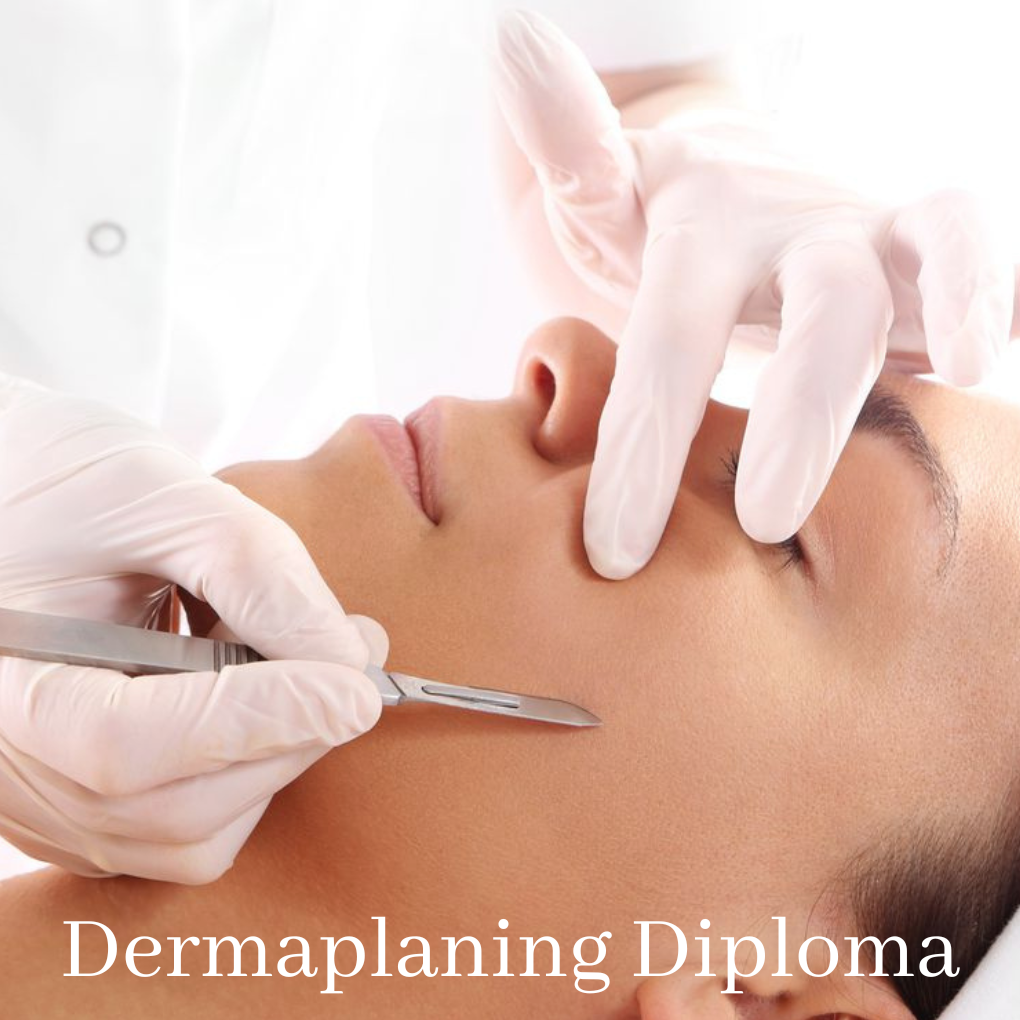
The Dermaplaning Diploma Course teaches qualified beauty, facial and medical professionals how to exfoliate the skin and remove fine vellus hair using a surgical blade.
Dermaplaning removes surface skin cells from the stratum corneum, which is the outermost layer of the skin.
The treatment also removes fine facial hair. It can leave the skin looking smoother and prepare it for the application of suitable professional skincare products.
During the course, you will learn how to prepare the client, control the blade and work safely across different areas of the face.
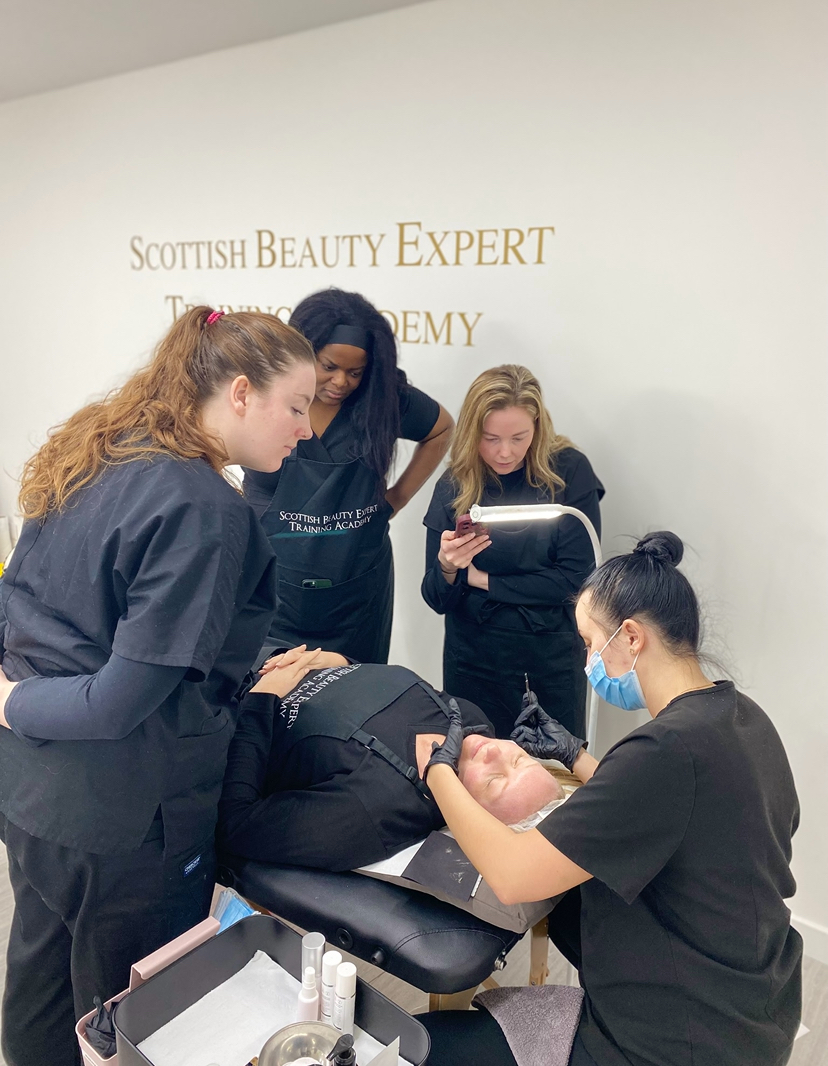
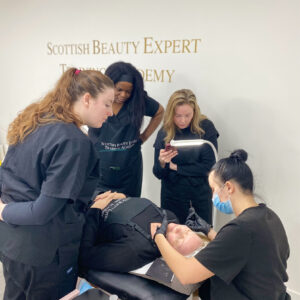
Training includes tutor demonstrations, supervised model work and two practical case studies completed during the course day.
After successful completion, you will receive a Dermaplaning Diploma. The course is accredited and insurable, subject to holding the required qualifications and arranging suitable professional insurance.
What Is Dermaplaning?
Dermaplaning is a manual exfoliation treatment performed with a surgical blade.
The blade is moved across the skin in a controlled way to remove surface skin cells and fine vellus hair.
The treatment may be offered to suitable clients concerned about:
- Rough or uneven-looking skin texture
- Dull-looking skin
- Surface dryness
- Fine facial hair
- The appearance of minor surface imperfections
Results will vary according to the client’s skin condition, treatment plan and aftercare.
Skin Anatomy and the Stratum Corneum
You will study the skin structures relevant to dermaplaning.
The treatment works on the stratum corneum. This is the outer layer of the epidermis.
Understanding the skin helps you choose suitable clients and control the depth of exfoliation.
The course also explains why dermaplaning must remain a surface treatment.
Client Consultation and Skin Analysis
A full consultation must take place before the treatment begins.
You will learn how to review:
- The client’s skin type
- Current skin condition
- Main treatment concerns
- Relevant medical information
- Medication
- Current skincare products
- Previous facial treatments
- Allergies and sensitivities
- Contraindications
- Expected treatment results
This information helps you decide whether dermaplaning is suitable or whether the treatment should be delayed.
Contraindications and Client Suitability
Dermaplaning is not suitable for every client.
You will learn how to identify skin conditions and circumstances that may affect treatment.
Depending on the client, treatment may need to be:
- Adapted
- Delayed
- Avoided
- Approved by a suitable medical professional
You will also learn when a client should be referred for suitable professional advice.
Preparing the Skin
Correct preparation helps the blade move across the skin in a controlled way.
The course covers:
- Preparing the treatment area
- Completing the client consultation
- Checking consent and treatment records
- Cleansing the skin
- Removing surface products and oils
- Preparing the blade and handle
- Positioning the client
- Protecting sensitive areas
Blade Handling and Control
Blade control is one of the main practical skills taught during the course.
You will learn how to hold the handle, position the blade and maintain a suitable working angle.
The training includes:
- Preparing the blade safely
- Holding the blade handle
- Maintaining the correct angle
- Controlling treatment pressure
- Keeping movements short and precise
- Working in the correct direction
- Avoiding unsuitable areas
- Removing and disposing of the blade safely
Skin Stretching
The skin must be held correctly while the blade is moving across the treatment area.
You will learn how to stretch the skin without causing discomfort.
Correct skin tension supports blade control and helps you work around the natural contours of the face.
Working Across the Face
Different facial areas require changes in hand position, skin stretching and movement.
You will learn how to work across areas such as:
- The forehead
- The cheeks
- The chin
- The jawline
- The upper lip area
- Suitable areas around the nose
Your tutor will explain which areas should be avoided and how to adapt the treatment to the client’s facial structure.
Step-by-Step Dermaplaning Procedure
The practical training follows a clear treatment sequence.
You will learn how to:
- Prepare the treatment room
- Complete the consultation
- Assess the client’s skin
- Cleanse and prepare the face
- Prepare the blade and handle
- Position the client
- Stretch the skin
- Work across the face in sections
- Monitor the skin response
- Complete the exfoliation stage
- Apply suitable finishing products
- Provide aftercare advice
Health, Safety and Hygiene
Strict hygiene is required when working with surgical blades.
The course covers:
- Preparing a hygienic treatment area
- Hand hygiene
- Personal protective equipment
- Safe blade handling
- Using single-client items correctly
- Avoiding cross-contamination
- Sharps disposal
- Cleaning tools and surfaces
- Keeping treatment records
Two Practical Case Studies
You will complete two practical case studies during the course day.
These case studies allow you to practise the full treatment under tutor supervision.
Your tutor will review:
- Client consultation
- Skin analysis
- Treatment preparation
- Blade handling
- Skin stretching
- Treatment sequence
- Client comfort
- Aftercare advice
Dermaplaning Kit Included
A dermaplaning kit is included with the course.
The kit provides the main tools needed to continue practising after training.
Confirm the current kit contents and number of blades with the academy before booking.
Dermaplaning Aftercare
Clients must receive clear aftercare instructions after the treatment.
You will learn how to explain:
- Expected short-term skin responses
- Suitable skincare after treatment
- Sun-protection requirements
- Products and treatments to avoid
- When normal skincare may be resumed
- When the client should seek further advice
Aftercare should be provided verbally and in writing.
What You Will Learn
- Relevant skin anatomy
- The stratum corneum
- Client consultation
- Skin analysis
- Client suitability
- Contraindications
- Health, safety and hygiene
- Treatment-area preparation
- Skin cleansing and preparation
- Surgical blade handling
- Blade angle and pressure
- Skin stretching
- Treatment direction
- Working around facial contours
- Completing a full dermaplaning treatment
- Sharps disposal
- Homecare and aftercare advice
Who Is This Course For?
The Dermaplaning Diploma Course is suitable for:
- Qualified beauty therapists
- Qualified facial therapists
- Skincare professionals
- Semi-permanent makeup professionals
- Dental nurses
- Nurses and medical professionals
- Clinic professionals expanding their skincare services
Entry Requirements
You must hold a relevant beauty, semi-permanent makeup, dental nursing, nursing, medical or equivalent qualification.
Candidates should also hold a suitable facial qualification.
Students without a facial qualification are advised to complete the Facial Diploma Course before attending.
Contact the academy before booking if you are unsure whether your current qualifications meet the entry requirements.
What Can This Course Lead To?
After successful completion, you may add dermaplaning to your existing professional services.
You may work in a beauty salon, skincare clinic or another suitable treatment setting. You may also provide mobile services or develop your own skincare business.
You must hold suitable professional insurance before offering treatments.
Dermaplaning Diploma Course Details
Entry Requirements
A relevant beauty, semi-permanent makeup, dental nursing, nursing, medical or equivalent qualification is required. A suitable facial qualification is also recommended.
Qualification
Dermaplaning Diploma.
Course Duration
One practical training day.
- Glasgow: 9:00am–2:00pm
- Aberdeen: 10:00am–3:00pm
Class times can vary.
Model Requirement
- Glasgow: model required at 12:00pm
- Aberdeen: model required at 1:00pm
Case Studies
Two practical case studies are completed during the course day.
Course Kit
A dermaplaning kit is included. Confirm the current kit contents and blade quantity before booking.
Aftercare Support
Unlimited aftercare support is included after the course.
Insurance
The academy recommends Insync Insurance. Cover remains subject to the insurer’s current eligibility criteria and qualification requirements.
Training Locations
The course is available at our Glasgow and Aberdeen beauty training academies.
Dermaplaning Diploma Course FAQs
What qualifications do I need?
You must hold a relevant beauty, semi-permanent makeup, dental nursing, nursing, medical or equivalent qualification. A suitable facial qualification is also recommended.
What should I wear?
Students attending the course in Glasgow or Aberdeen should wear a beauty tunic, scrubs or suitable all-black clothing.
Do I receive a dermaplaning kit?
Yes. A dermaplaning kit is included. Confirm the current kit contents and blade quantity with the academy before booking.
Do I need to bring a model?
Yes. Glasgow students require a model at 12:00pm. Aberdeen students require a model at 1:00pm.
Do I complete any case studies?
Yes. You will complete two practical case studies during the course day under tutor supervision.
How long is the course?
The course includes one practical training day. Glasgow classes run from 9:00am to 2:00pm, while Aberdeen classes run from 10:00am to 3:00pm. Class times can vary.
Can I work professionally after completing the course?
The Dermaplaning Diploma is accredited and insurable after successful completion. You must hold the required qualifications and arrange suitable professional insurance.
Can I attend without a Facial Diploma?
Candidates should hold a suitable facial qualification. Students without one are advised to complete the Facial Diploma Course before attending.
What if I cannot find a model?
Try posting in suitable local model groups on social media. Contact the academy near the course date if you are still unable to arrange a suitable model.
Can I film the course?
You may record approved tutor demonstrations for personal learning. You must respect the privacy and consent of tutors, students and models.
What if I change my mind or want to change courses?
The Dermaplaning Diploma Course is non-refundable. Course credit may be offered for a change or cancellation, subject to the academy’s booking terms.
Dermaplaning Diploma Course Details
| Glasgow Class Time | 10.00am – 2.00pm |
|---|---|
| Glasgow Model Requirement | Model required at 12.00pm |
| Aberdeen Class Time | 10.00am – 2.00pm |
| Aberdeen Model Requirement | Model required at 12.00pm |
Please note: Course times and model times can vary depending on class sizes.