 contact@scottishbeautyexpert.com

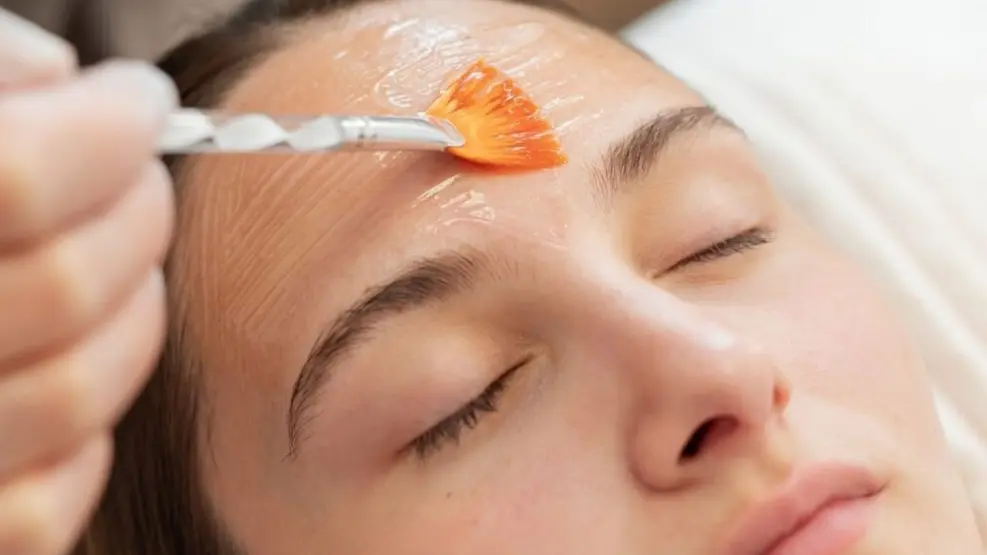
Chemical skin peeling is one of the most popular advanced skin treatments for therapists who want to offer professional skin resurfacing and rejuvenation. It is commonly chosen by clients who want to improve dull skin, uneven tone, superficial pigmentation, mild acne scarring, fine lines, sun damage, and overall skin texture. Because chemical peels use active acids to create controlled exfoliation, proper Level 4 training is important before offering the treatment professionally.
The Focus Awards Level 4 Certificate in Chemical Skin Peeling Treatments is an Ofqual-regulated qualification designed for learners who want to progress into advanced skin rejuvenation. This course combines online theory, home study, portfolio completion, practical training, and formal assessment, helping learners build the knowledge and practical skills required to perform chemical skin peeling treatments safely.
For learners searching for an Ofqual skin peel course, chemical skin peel training, Ofqual beauty courses, or Level 4 skin peel qualification, this course provides a structured route into advanced skin therapy.
What Is a Chemical Skin Peel?
A chemical skin peel is a professional treatment that uses selected acids to exfoliate the skin and encourage skin renewal. The treatment works by removing or loosening dead skin cells from the surface layers of the skin, helping to increase cell turnover and improve skin appearance.
Different types of peels may be used depending on the client’s skin type, skin condition, treatment goal, and suitability. Professional peel treatments require careful consultation, correct product selection, safe application, timing, neutralisation where needed, and clear aftercare guidance.
Chemical skin peels are widely used to support improvement in fine lines and wrinkles, uneven skin tone, superficial pigmentation, sun-damaged skin, acne-prone skin, mild acne scarring, dull skin, rough skin, dehydrated-looking skin, and general skin rejuvenation.
Why Chemical Peel Training Needs Level 4 Knowledge
Chemical skin peeling may look simple from the outside, but it involves detailed knowledge of the skin and how acids interact with it. A practitioner must understand skin anatomy, barrier function, wound healing, skin regeneration, contraindications, pH, pKa, acid strength, peel selection, and possible skin reactions.
This is why Level 4 training is important. Learners need to understand not only how to apply a peel, but also when not to apply one, how to choose the correct product, how to adapt treatment plans, and how to provide safe aftercare.
The Focus Awards Level 4 Certificate in Chemical Skin Peeling Treatments is designed to provide this deeper level of learning. It gives learners a structured qualification route rather than relying only on informal or short training.
What the Course Covers
This course covers the key theory and practical skills required for professional chemical skin peeling treatments. Learners study the principles of chemical skin peeling, advanced skin anatomy and physiology, health and safety, infection prevention, consultation, skin analysis, treatment planning, indications, contraindications, peel selection, acid characteristics, pH and pKa, safe application techniques, neutralisation procedures where applicable, skin regeneration, aftercare, and professional record keeping.
The course also includes online theory, practical training, anatomy and physiology, health and hygiene, client consultation, peel product knowledge, step-by-step treatment protocols, portfolio completion, practical assessment, theory assessment, and Focus Awards certification.
This structure helps learners understand the full treatment journey from client consultation to post-treatment care.
Understanding Peel Selection
One of the most important parts of chemical skin peel training is understanding peel selection. Not every peel is suitable for every client. Different acids have different properties, strengths, and effects on the skin.
Learners need to understand how to assess the skin properly before choosing a peel. This includes looking at skin type, sensitivity, medical history, contraindications, current skincare use, previous treatments, lifestyle factors, and treatment goals.
A safe treatment plan depends on choosing the correct peel and using it responsibly. This is why the course includes pH, pKa, acid characteristics, application technique, and aftercare knowledge.
Why Ofqual-Regulated Training Matters
The beauty and aesthetics industry is becoming more focused on recognised qualifications, safer treatment standards, and insurance requirements. Choosing an Ofqual-regulated beauty course can support learners who want a more professional and structured training route.
The Focus Awards Level 4 Certificate in Chemical Skin Peeling Treatments is an Ofqual-regulated qualification. This means learners complete a recognised qualification with defined learning and assessment requirements.
For learners searching for Ofqual skin peel course, Ofqual beauty courses, or Focus Awards courses, this qualification is directly relevant. It helps learners show they have completed regulated Level 4 training in chemical skin peeling treatments.
Who Is This Course Suitable For?
This course is suitable for qualified beauty therapists holding a recognised Level 3 Beauty qualification. It is also suitable for learners who have successfully completed the Focus Awards Level 4 Award in Facial Anatomy & Physiology.
Experienced practitioners with a minimum of two years’ practical chemical skin peeling experience may also be eligible through the Recognition of Prior Learning process, subject to evidence and centre assessment.
This makes the course suitable for beauty therapists, skin therapists, salon professionals, clinic practitioners, and experienced aesthetics learners who want to expand into advanced skin peeling treatments.
Entry Requirements
Applicants must meet one of the accepted entry routes before enrolment. This may include holding a recognised Level 3 Beauty Therapy qualification, successfully completing the Focus Awards Level 4 Award in Facial Anatomy & Physiology, or demonstrating a minimum of two years’ practical experience in chemical skin peeling through the Recognition of Prior Learning route.
Learners applying through Recognition of Prior Learning must provide evidence of existing knowledge, skills, and practical experience. They may also need to attend a centre interview and demonstrate practical competence in chemical skin peeling treatments.
Evidence of qualifications or practical experience must be provided before enrolment. This helps ensure learners are ready for Level 4 study and assessment.
What Skin Concerns Can Chemical Peels Support?
Chemical skin peels are used by advanced skin therapists to support a wide range of client concerns. These treatments can help improve the appearance of dull, rough, uneven, congested, or ageing skin.
Common concerns include fine lines and wrinkles, superficial pigmentation, uneven skin tone, sun-damaged skin, acne-prone skin, mild acne scarring, dehydration, rough texture, and overall skin rejuvenation.
Peels can be used as part of a treatment programme, meaning clients may receive a planned course of treatments over time. This makes consultation, realistic expectation setting, and aftercare extremely important.
Career Opportunities After the Course
Completing the Focus Awards Level 4 Certificate in Chemical Skin Peeling Treatments can help learners progress into advanced skin therapy. The qualification may support work in salons, skin clinics, beauty businesses, aesthetics environments, or self-employed practice, subject to insurance requirements.
For beauty therapists already offering facials, waxing, massage, skincare, lashes, brows, or other treatments, chemical skin peeling can be a strong addition to the treatment menu. It allows practitioners to offer more targeted skin rejuvenation services to clients who want visible skin improvement without more invasive treatments.
This course can also support learners who want to continue developing their advanced aesthetics knowledge through additional Level 4 qualifications.
Professional Practice and Client Safety
Chemical skin peels require careful professional judgement. Practitioners must understand contraindications, skin sensitivity, treatment timing, aftercare requirements, and possible reactions. They must also know when a client is not suitable for treatment.
Client safety is one of the most important parts of this qualification. The course includes consultation, treatment planning, safe application, aftercare, professional standards, and record keeping.
Good professional practice also means explaining treatment expectations clearly. Clients should understand that results vary and that aftercare plays an important role in protecting the skin after treatment.
Insurance and Important Considerations
Before offering chemical skin peeling professionally, learners should check their insurer’s requirements. Even with an Ofqual-regulated qualification, insurance providers may have specific rules about prerequisites, treatment scope, previous qualifications, or practical experience.
It is the learner’s responsibility to make sure they hold the appropriate qualifications and meet insurer requirements before offering treatments to paying clients.
This course provides a recognised Level 4 qualification, but professional practice must always be supported by suitable insurance, safe working methods, and responsible treatment planning.
Final Thoughts
The Focus Awards Level 4 Certificate in Chemical Skin Peeling Treatments is a valuable qualification for learners who want to progress into advanced skin rejuvenation. It combines theory, practical training, portfolio work, and formal assessment to help learners develop safe and professional chemical peel skills.
For learners searching for Ofqual skin peel course, chemical skin peel training, Ofqual beauty courses, or Level 4 chemical peel qualification, this course offers a structured route into advanced skin therapy.
With the right entry requirements, tutor support, practical assessment, and professional guidance, learners can build the confidence needed to offer chemical skin peeling treatments professionally, subject to insurer requirements.
FAQs
1. Is this an Ofqual-regulated chemical skin peel course?
Yes. The Focus Awards Level 4 Certificate in Chemical Skin Peeling Treatments is an Ofqual-regulated qualification.
2. Who is this course suitable for?
It is suitable for qualified beauty therapists with a Level 3 Beauty qualification, learners who have completed the Focus Awards Level 4 Award in Facial Anatomy & Physiology, or experienced practitioners eligible through Recognition of Prior Learning.
3. What does chemical skin peeling do?
Chemical skin peeling uses selected acids to exfoliate the skin, encourage cell turnover, and support skin renewal.
4. What skin concerns can chemical peels help with?
They are commonly used for uneven tone, dull skin, superficial pigmentation, fine lines, sun damage, mild acne scarring, and rough texture.
4. What skin concerns can chemical peels help with?
They are commonly used for uneven tone, dull skin, superficial pigmentation, fine lines, sun damage, mild acne scarring, and rough texture.
5. Is practical training included?
Yes. The course includes practical training, portfolio completion, practical assessment, and theory assessment.
6. Do I receive a kit with the course?
No. A kit is not included, but professional products, consumables, and equipment required for training are provided during the course.
7. Can I work professionally after completing this qualification?
Learners may be able to offer chemical skin peeling treatments professionally after successful completion, subject to insurer requirements.
8. Do I need previous beauty qualifications?
Yes, learners usually need a Level 3 Beauty qualification, the Focus Awards Level 4 Award in Facial Anatomy & Physiology, or approved practical experience through Recognition of Prior Learning.
9. What is pH and pKa in chemical peel training?
These are important concepts that help learners understand acid strength, peel behaviour, and safe product selection.
10. Can I record the practical demonstration?
Yes. Students may record demonstrations for personal learning and revision purposes only.