 contact@scottishbeautyexpert.com

Botox injections have revolutionized the field of aesthetic medicine, providing individuals with an opportunity to reduce wrinkles, fine lines, and various skin imperfections. As demand for non-invasive cosmetic treatments continues to grow, becoming a certified Botox injector offers an exciting and rewarding career path. If you’re interested in becoming a skilled Botox practitioner, you’ve come to the right place.
This comprehensive guide will take you through the steps you need to follow, from understanding Botox treatment to selecting the right training and meeting eligibility requirements. Whether you are a beginner in the beauty industry or a medical professional looking to expand your expertise, we’ve got all the information you need.
What is Botox?
Botox (botulinum toxin) is a powerful neurotoxin derived from the bacterium Clostridium botulinum. When injected into targeted muscles, Botox works by blocking the release of acetylcholine, a neurotransmitter that signals muscles to contract. This temporary paralysis relaxes the muscles and reduces the appearance of wrinkles, frown lines, and crow’s feet.
Botox isn’t just for cosmetic purposes; it’s also used in medical treatments, such as:
- Excessive Sweating (Hyperhidrosis): Botox blocks the sweat glands from producing sweat.
- Chronic Migraines: Botox is used as a preventive treatment for chronic headaches.
- Muscle Spasms: Botox can relax overactive muscles, treating conditions like cervical dystonia.
Understanding these uses is critical as Botox injectors can apply their skills across a wide array of conditions, expanding their clientele.
Why Get Botox Training?
There are multiple benefits to getting certified as a Botox injector:
- Offer High-Demand Services: Botox injections are one of the most popular non-surgical cosmetic treatments. People seek out Botox to treat wrinkles, fine lines, and other skin issues. Learning to administer Botox means entering a high-demand market.
- Boost Earning Potential: As a certified Botox injector, you can offer premium-priced services, significantly increasing your earning potential. Treatments often range from £150 to £350 per session depending on the area treated.
- Expand Professional Skill Set: Botox training helps you diversify your skill set, adding a highly sought-after treatment to your portfolio. This increases your attractiveness to potential employers or clients.
- Increase Credibility: Having a formal certification shows clients that you’ve undergone professional training and can perform Botox injections safely, which builds trust.
- Stand Out in a Competitive Field: A Botox certification sets you apart from non-certified beauty practitioners, establishing your authority in the field of aesthetics.
Eligibility Requirements for Botox Training
Before you can undergo Botox training, there are a few important eligibility requirements:
1. Medical Background
Botox injections are primarily administered by medical professionals. The following practitioners are generally eligible for training:
- Doctors (GPs, Surgeons, Dentists)
- Registered Nurses (RNs)
- Physician Assistants (PAs)
- Dermatologists and Aesthetic Practitioners
For non-medical candidates, some advanced aesthetic training programs might allow you to enroll if you have relevant beauty therapy or aesthetic qualifications, like being a beauty therapist or licensed esthetician. You should check with each course provider to see if they accept non-medical backgrounds.
2. Age Requirement
Typically, you must be at least 18 years old to enroll in Botox training courses.
3. Professional Experience (For Non-Medical Candidates)
If you’re not medically trained, some Botox courses may require prior experience in other aesthetic treatments. For example, you might need a certification in facials, microblading, or other skin-related treatments to qualify for Botox training.
What Does Botox Training Involve?
Botox training is a combination of theory and practice.
1. Theoretical Training
Theoretical lessons provide foundational knowledge about Botox and its application:
- The Science of Botox: Learn the biological processes behind Botox and how it works to relax muscles and reduce wrinkles.
- Facial Anatomy: This is one of the most crucial areas of training. You’ll study the facial muscles, nerves, and injection points, so you know exactly where to inject Botox for the desired effect. Understanding the anatomy ensures you avoid nerve damage or unwanted side effects.
- Botox Injection Techniques: You’ll learn the proper injection techniques to ensure that Botox is administered safely and accurately.
- Client Assessment and Consultation: You will be trained to assess your clients’ suitability for Botox injections, provide realistic expectations, and discuss any risks associated with the procedure.
2. Practical Training
Practical training is key to mastering Botox injections:
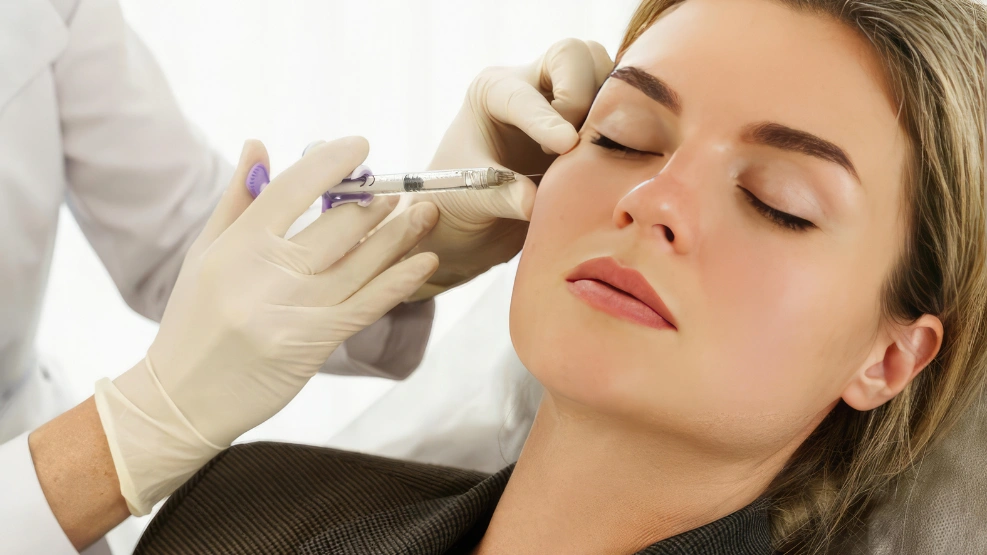
- Injection Techniques: In this section, you’ll practice Botox injections under the guidance of experienced trainers. You’ll learn how to inject Botox in different areas like the forehead, around the eyes, and along the jawline.
- Working with Live Models: Some courses offer hands-on experience with live models. This helps you build confidence and refine your skills before treating paying clients.
- Managing Side Effects: You’ll also learn how to manage side effects like swelling, bruising, or drooping eyelids, which are common post-treatment issues.
How Long Does Botox Training Take?
Most Botox training courses last between 1 to 2 days. For beginners, the training is typically condensed into a single day. However, if you’re looking for more advanced training that includes additional treatments (like dermal fillers), the course may last longer. Some providers may also offer online courses with flexible learning schedules, but practical, in-person training is essential for learning proper injection techniques.
What to Look for in a Botox Training Provider?
Choosing the right Botox training provider is essential to your success. Here’s what to keep in mind:
- Accreditation: Ensure the provider is accredited by professional bodies like the British Association of Aesthetic Plastic Surgeons (BAAPS) or British College of Aesthetic Medicine (BCAM).
- Experienced Trainers: Choose a provider that employs trainers with real-world Botox experience. Ask about their experience and qualifications before enrolling.
- Comprehensive Course Content: Look for a course that covers both theoretical knowledge (Botox science, client assessment) and practical skills (injection techniques).
- Support and Certification: Ensure that the course offers ongoing support after the training and provides certification upon completion. Certification is essential to prove your qualifications as a Botox practitioner.
FAQ
Do I need medical qualifications to enroll in Botox training?
Typically, Botox training is designed for medical professionals such as doctors, nurses, and dermatologists. However, some programs are open to non-medical professionals, such as beauty therapists, if they meet certain prerequisites.
Is Botox training available online?
Yes, there are online Botox training programs that cover the theoretical components of the course. However, practical training must be completed in person, as hands-on experience is essential for mastering Botox injections.
How much can I earn as a Botox injector?
Botox injectors can charge between £150 to £350 per session depending on the treatment area and location. As you gain experience, you can increase your rates.
How often do I need to renew my Botox certification?
Botox certifications typically don’t require frequent renewals. However, it’s recommended to attend refresher courses every 1-2 years to stay up to date on the latest techniques and safety protocols.
What are the risks associated with Botox injections?
Common risks include bruising, swelling, or temporary muscle weakness. While these side effects are usually mild and temporary, it’s important to be properly trained to minimize risks.