 contact@scottishbeautyexpert.com

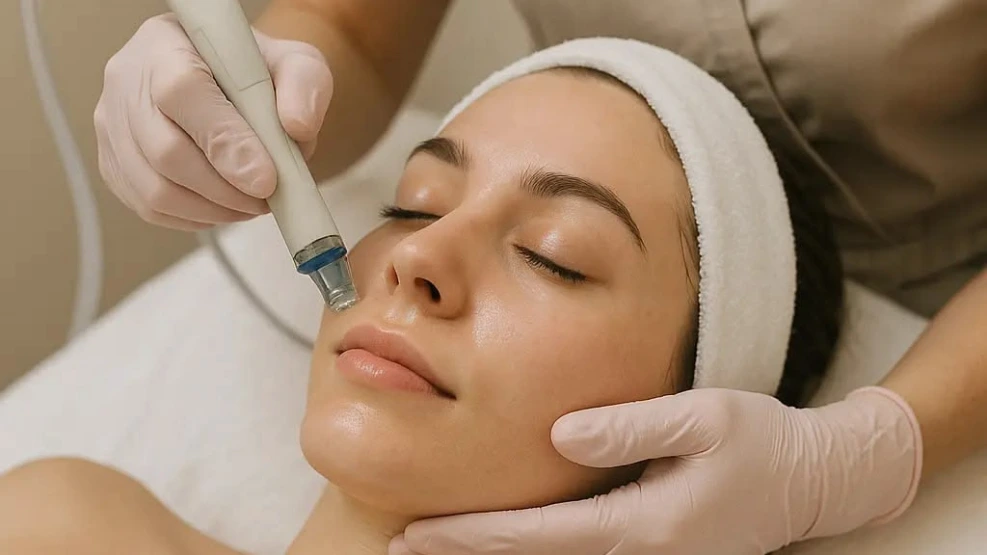
Beauty and aesthetics training has changed significantly in recent years. Clients are more informed, treatment expectations are higher, and practitioners are expected to understand not only how a treatment is performed, but why it works, when it is suitable, and how to manage safety at every stage. For therapists in Glasgow who want to move beyond standard beauty treatments, Ofqual beauty courses can provide a structured route into advanced skin rejuvenation services.
One of the strongest progression options is a Level 4 programme that combines skin peels and microneedling. These treatments are widely requested by clients looking to improve skin texture, fine lines, acne scarring, enlarged pores, superficial pigmentation, dullness, and general skin health. When studied together, they give practitioners a broader treatment menu and a deeper understanding of how different rejuvenation methods can support individual client goals.
At Scottish Beauty Expert Training Academy, learners can explore Ofqual courses in Glasgow that support professional progression in beauty and aesthetics. The academy also provides practical training access through its Glasgow academy location, making it suitable for learners based in Glasgow, nearby towns, and wider Scotland.
Why Ofqual-regulated training matters in advanced beauty
Advanced skin treatments require more than basic product knowledge. A practitioner needs to understand skin structure, wound healing, contraindications, infection control, consultation, record keeping, treatment planning, and aftercare. Ofqual-regulated training is important because it follows a recognised qualification structure with learning outcomes, assessment requirements, and formal standards.
For learners, this gives the course a clearer professional value. Instead of attending a short informal workshop with limited assessment, learners follow a programme that includes theory, practical training, portfolio work, and assessments. This helps build confidence and gives students a stronger foundation before offering advanced treatments in a salon, clinic, or self-employed setting.
For clients, recognised training also matters. A client considering microneedling or chemical peeling is trusting the practitioner with treatments that interact directly with the skin’s repair and renewal processes. A trained practitioner should know how to assess suitability, explain realistic outcomes, identify contraindications, and provide safe aftercare guidance. That level of professional care can help improve client trust and treatment experience.
What makes skin peels and microneedling a strong combination?
Skin peels and microneedling are different treatments, but they both support skin rejuvenation. Microneedling works by creating controlled micro-injuries within the skin. This stimulates the body’s natural wound healing response and encourages collagen and elastin production. Chemical skin peels work by applying carefully selected acids to exfoliate the skin, increase cell turnover, and improve the appearance of the skin surface.
When a practitioner understands both treatments, they can offer more flexible skin programmes. Some clients may be more suited to microneedling, while others may benefit from chemical exfoliation. Some may require a staged approach, where skin health is prepared before a more active treatment plan. Learning both allows a therapist to make better professional decisions instead of relying on one treatment for every concern.
The Ofqual Level 4 Skin Peels and Microneedling Combo Course is designed for practitioners who want to gain knowledge and practical competence in both treatments through one advanced programme. It includes online theory, home study, portfolio completion, practical training, and formal assessment.
Who should consider this type of Level 4 beauty course?
This course is most suitable for practitioners who are ready to move into advanced skin treatments. It may suit qualified beauty therapists who already hold a recognised Level 3 Beauty Therapy qualification, learners who have completed a Level 4 facial anatomy and physiology qualification, or experienced practitioners who may be eligible through a Recognition of Prior Learning route.
It can also be a useful option for salon owners who want to expand treatment offerings, self-employed therapists who want to increase service value, and beauty professionals who want a more structured path into aesthetics. In Glasgow, demand for results-focused skin treatments continues to grow, especially among clients looking for improvement in texture, ageing concerns, scarring, pigmentation, and overall skin radiance.
However, it is important for every learner to check entry requirements before booking. Advanced treatment qualifications often require previous training or proof of experience. Learners should also check insurance requirements before enrolment, especially if they plan to offer treatments professionally after completing the course.
What learners study during the combo course
A strong Level 4 programme should cover both treatment knowledge and professional decision-making. Learners study the principles of skin needling, the principles of chemical skin peeling, advanced skin anatomy and physiology, health and safety, infection prevention, client consultation, skin analysis, treatment planning, contraindications, aftercare, and professional standards.
For microneedling, learners need to understand device safety, needle depth selection, treatment zones, wound healing, collagen stimulation, and how to adapt the treatment to suit individual skin needs. For chemical skin peeling, learners need to understand peel selection, acid characteristics, pH, pKa, application techniques, neutralisation where applicable, skin regeneration, and suitable treatment plans.
This blend of knowledge is valuable because advanced skin work is rarely just about following a routine. Clients have different skin types, medical histories, lifestyles, concerns, and expectations. A practitioner must be able to consult properly, choose an appropriate approach, explain risks and aftercare, and record treatment information accurately.
Why Glasgow is a practical place to train
Glasgow is one of Scotland’s busiest beauty and aesthetics markets. The city has a strong salon culture, a growing number of skin clinics, and a client base that is increasingly interested in advanced skin treatments. For learners, studying in Glasgow can make training more accessible while also placing them close to a professional market where these skills are relevant.
The Glasgow location is also useful for learners travelling from surrounding areas such as Paisley, East Kilbride, Hamilton, Motherwell, Stirling, Falkirk, and wider Central Scotland. Instead of travelling far for advanced aesthetics education, students can access structured training in a major Scottish city with strong beauty industry demand.
For working therapists, location matters. Many learners are balancing existing salon work, family commitments, or self-employed clients. A blended learning format, combined with practical training days in Glasgow, can make the course more manageable than a fully classroom-based programme.
Career value of adding both treatments
Adding microneedling and chemical skin peeling to a treatment menu can help a practitioner move from general beauty services toward more advanced skin work. These treatments are often positioned as part of skin rejuvenation plans rather than one-off beauty appointments. That can support repeat bookings, treatment courses, aftercare retail opportunities, and longer-term client relationships.
For example, a client with dull skin may begin with peel-based resurfacing. A client with acne scarring or texture concerns may be more suited to microneedling. A client with mixed concerns may need a carefully planned skin journey with consultation, preparation, treatment, and aftercare. Having both qualifications can give the practitioner more options when creating professional treatment plans.
This does not mean every client should receive advanced treatment. A major part of professional practice is knowing when not to treat. A well-trained practitioner should identify contraindications, recognise unrealistic expectations, and refer clients when appropriate. This is one reason structured Level 4 training is so valuable.
What to expect from the learning format
The combo course is delivered through a blended learning model. Learners complete online theory, home study, portfolio work, practical training, practical assessments, and theory assessments. This style gives students time to build knowledge before attending practical elements, while still receiving tutor support throughout the qualification.
The practical training days are important because advanced treatments cannot be properly understood through theory alone. Learners need to observe demonstrations, practise techniques, understand treatment setup, learn how to manage client comfort, and receive feedback. The portfolio and assessments then help confirm that the learner has understood the required knowledge and practical standards.
Most learners should expect to complete the programme over a number of weeks rather than viewing it as a quick one-day skill. The course information indicates that completion often depends on individual progress, home study, portfolio completion, and assessment readiness.
How this course supports professional credibility
Professional credibility in aesthetics is built through knowledge, safe practice, client care, and recognised training. When a therapist can explain how microneedling stimulates collagen, why peel strength and acid characteristics matter, what aftercare is required, and how treatment plans are adapted, clients are more likely to feel confident.
Recognised Level 4 training can also help when speaking to insurers, employers, or clinic partners. While each insurer sets its own requirements, completing an Ofqual-regulated qualification may support the learner’s professional pathway, provided all prerequisites and insurance conditions are met. This is why learners should always check requirements before enrolling and before offering treatments.
For salon owners, advanced qualifications can also help position the business more professionally. Instead of simply adding a treatment because it is popular, the salon can promote a trained, assessed, and structured approach to skin rejuvenation.
Final thoughts
Ofqual beauty courses in Glasgow can help serious beauty professionals move into more advanced, results-focused skin treatments with better structure and confidence. A combined skin peels and microneedling programme is especially valuable because it teaches two highly requested treatments while also developing consultation, safety, treatment planning, and aftercare knowledge.
For learners who already meet the entry requirements, the Ofqual Level 4 Skin Peels and Microneedling Combo Course can be a strong next step toward advanced skin therapy, salon growth, or self-employed aesthetics practice in Glasgow and across Scotland.
FAQs
Is the skin peels and microneedling combo course suitable for beginners?
This course is generally designed for learners with relevant previous qualifications or experience. Beginners may need to complete a suitable anatomy and physiology qualification first.
Can I offer treatments professionally after completing the course?
Successful learners may be able to offer treatments professionally, subject to meeting insurer requirements and any relevant prerequisites. Always check with your chosen insurer before enrolment.
Why choose a combo course instead of separate courses?
A combo course can help learners study two related advanced skin treatments through one structured programme, supporting a broader treatment menu and more flexible client planning.
What treatments are covered in the combo course?
The course covers professional skin needling, also known as microneedling, and chemical skin peeling treatments. Learners study both treatment theory and practical application.
Is the course available in Glasgow?
Yes, Scottish Beauty Expert Training Academy provides training access through its Glasgow academy location, making it suitable for learners based in Glasgow and nearby areas.
Do I need insurance after completing the course?
Yes. If you plan to offer treatments professionally, you should contact your chosen insurance provider to confirm their requirements before and after completing the course.
What career opportunities can this course support?
This course can support progression into advanced skin therapy, salon-based skin treatments, self-employed aesthetics services, or adding microneedling and chemical peeling to an existing treatment menu.