 contact@scottishbeautyexpert.com

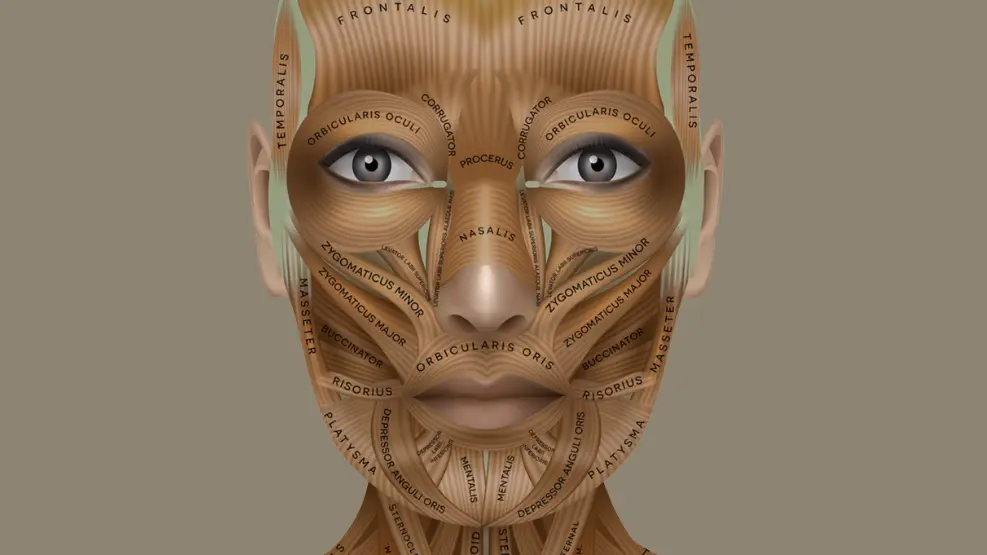
Before learning advanced treatments such as microneedling, chemical skin peels, skin boosters, or other Level 4 aesthetic procedures, learners need a clear understanding of how the face and skin actually work. The Focus Awards Level 4 Award in Facial Anatomy & Physiology gives students the core knowledge of skin structure, facial muscles, circulation, lymphatic function, nerves, wound healing, and tissue repair needed to progress safely into advanced skin training.
The Focus Awards Level 4 Award in Facial Anatomy & Physiology is an Ofqual-regulated qualification designed to give learners the underpinning knowledge needed before progressing into advanced aesthetic treatments. This course is ideal for beginners who want a structured route into advanced aesthetics, as well as qualified beauty therapists who want to strengthen their knowledge before studying treatments such as skin needling or chemical skin peeling.
At Scottish Beauty Expert Training Academy, this qualification is delivered through a flexible blended learning model, combining online learning, tutor support, home study, portfolio completion, and theory assessment. This makes it suitable for learners who need to study around work, family, or existing salon commitments.
Why Facial Anatomy and Physiology Matters in Advanced Aesthetics
Advanced skin treatments require more than practical technique. A practitioner must understand how the skin, muscles, blood supply, lymphatic system, nerves, and tissue repair processes work together. Without this knowledge, it becomes difficult to understand how the body responds to treatments such as microneedling, chemical peels, advanced facials, and skin rejuvenation procedures.
Facial anatomy and physiology helps learners understand the structure and function of the face in detail. This includes the skin layers, facial muscles, skeletal structure, circulatory system, lymphatic drainage, nervous system, wound healing, and tissue repair. These areas are especially important for learners who want to progress into Level 4 aesthetics courses and Ofqual beauty courses.
A strong anatomy and physiology foundation also helps practitioners make safer treatment decisions. It supports better client consultation, treatment planning, contraindication awareness, aftercare guidance, and professional record keeping. This makes the qualification a valuable first step for anyone serious about working in advanced skin or aesthetics.
What Is the Focus Awards Level 4 Award in Facial Anatomy & Physiology?
The Focus Awards Level 4 Award in Facial Anatomy & Physiology is an Ofqual-regulated qualification that focuses on the theoretical knowledge required for advanced skin and aesthetic training. It does not qualify learners to perform practical aesthetic treatments by itself, but it provides the essential knowledge required before progressing to practical Level 4 qualifications.
This course is especially useful for learners planning to study:
- Focus Awards Level 4 Certificate in Skin Needling Treatments
- Focus Awards Level 4 Certificate in Chemical Skin Peeling Treatments
- Ofqual microneedling courses
- Ofqual skin peel courses
- Advanced facial and skin rejuvenation training
- Other Level 4 beauty and aesthetics qualifications
For learners searching for Ofqual beauty courses, this qualification gives a recognised and structured starting point. It helps learners build the confidence and knowledge needed before moving into hands-on advanced treatment training.
What You Will Learn
During this course, learners study the key anatomy and physiology topics connected to advanced facial treatments. The course covers detailed knowledge of the skin and facial structures, helping learners understand how different treatments interact with the body.
Key learning areas include advanced facial anatomy, skin anatomy and physiology, the structure and function of the skin, facial skeletal system, facial muscular system, circulatory system, lymphatic system, nervous system, endocrine system, wound healing, tissue repair, skin ageing, infection prevention, client consultation, treatment planning, professional standards, and record keeping.
This knowledge is important because advanced treatments work by stimulating or affecting the skin in controlled ways. For example, microneedling creates controlled micro-injuries to encourage collagen and elastin production, while chemical peels encourage exfoliation and skin renewal. To understand these processes properly, learners need to understand skin science, wound healing, and tissue regeneration.
Flexible Online Learning With Tutor Support
One of the benefits of this qualification is its flexible learning structure. The course is designed to be completed through online learning, home study, portfolio completion, and theory assessment. Learners receive tutor support throughout, helping them study in a guided and structured way.
This is especially useful for learners who may already be working in beauty, running a salon, working part-time, or managing other responsibilities. Instead of needing to attend multiple in-person theory sessions, learners can complete much of the study from home while still receiving professional support.
The course is generally designed to be completed within approximately 6 to 8 weeks, depending on the learner’s pace and progress. This gives students time to properly understand the subject rather than rushing through important theory.
Who Is This Course Suitable For?
The Focus Awards Level 4 Award in Facial Anatomy & Physiology is suitable for a wide range of learners.
It is suitable for beginners who have no previous beauty qualifications but want to progress into advanced aesthetics in a structured way. It is also suitable for qualified beauty therapists who want to gain an Ofqual-regulated qualification before moving into Level 4 treatments. Practitioners who already work in beauty or skin treatments may also benefit from this course if they need stronger anatomy and physiology knowledge before progressing further.
This course can be especially valuable for learners who want to move toward Ofqual microneedling training, Ofqual skin peel training, or other advanced skin rejuvenation courses. It gives learners the theoretical foundation needed to understand how advanced treatments affect the face, skin, and body systems.
Entry Requirements
There are no formal entry requirements for this qualification. This makes it accessible for both beginners and existing beauty professionals.
However, learners should understand that this is a theory-based qualification. It provides underpinning knowledge but does not qualify someone to perform practical advanced aesthetic treatments on its own. To offer practical treatments professionally, learners must complete the relevant practical Level 4 qualification and check insurance requirements before offering services to clients.
This is an important point for anyone planning a career in advanced aesthetics. Training should be completed in the correct order, with both theory and practical competence properly covered.
Career Progression After This Course
Successful completion of this qualification can help learners progress toward advanced aesthetics training. It is commonly used as a foundation for Level 4 practical qualifications such as Skin Needling Treatments and Chemical Skin Peeling Treatments.
Learners may use this qualification to build a pathway toward becoming an advanced skin therapist, expanding their treatment menu, or preparing for further aesthetics education. For those searching for Focus Awards courses or Ofqual regulated beauty courses, this qualification is a strong starting point.
It also supports learners who want to improve their professional confidence. Understanding anatomy and physiology can help practitioners explain treatments more clearly, identify treatment suitability, and communicate more professionally with clients.
Why Choose an Ofqual-Regulated Beauty Course?
Choosing an Ofqual-regulated qualification gives learners a recognised structure and clear qualification standard. In a growing aesthetics market, many learners are looking for training that has stronger credibility and better progression value.
An Ofqual beauty course can help learners show that they have completed a regulated qualification rather than informal training alone. This can be useful when progressing to further qualifications, building professional confidence, or checking insurer requirements.
The Focus Awards Level 4 Award in Facial Anatomy & Physiology is especially important because it supports the theory required before practical Level 4 aesthetics training. It helps learners avoid jumping into advanced treatments without understanding the skin, face, and body systems involved.
Important Information Before Enrolment
Learners should check that this course matches their future training and insurance plans. While the qualification provides essential theoretical knowledge, it does not qualify learners to perform practical treatments on its own.
Anyone planning to offer microneedling, chemical skin peels, or other advanced aesthetic services professionally should also complete the relevant practical Level 4 qualification. Learners should also check their chosen insurer’s requirements before offering treatments to clients.
This course should be seen as a professional foundation, not a shortcut. It gives learners the knowledge they need to progress safely and confidently into advanced beauty and aesthetics training.
Final Thoughts
The Focus Awards Level 4 Award in Facial Anatomy & Physiology is a valuable qualification for learners who want to move into advanced aesthetics with a stronger knowledge base. It supports progression into Level 4 skin needling, chemical skin peeling, and other advanced skin treatment qualifications.
For learners searching for Ofqual beauty courses, Focus Awards courses, Level 4 facial anatomy and physiology, or a pathway into Ofqual microneedling and skin peel training, this course provides an important first step.
With flexible online learning, tutor support, portfolio completion, and a nationally recognised qualification, it is a practical option for learners who want to build their future in advanced beauty and aesthetics.
FAQs
1. Is the Focus Awards Level 4 Award in Facial Anatomy & Physiology Ofqual-regulated?
Yes. This is an Ofqual-regulated qualification awarded by Focus Awards.
2. Do I need previous beauty qualifications to enrol?
No. There are no formal entry requirements, so the course is suitable for beginners and existing beauty professionals.
3. Is this a practical treatment course?
No. This is a theory-based qualification covering facial anatomy and physiology. Practical Level 4 training must be completed separately.
4. Can I progress onto microneedling after this course?
Yes. This qualification provides underpinning knowledge that can support progression onto Level 4 Skin Needling Treatments, subject to meeting any additional course or insurance requirements.
5. Can I progress onto chemical skin peeling after this course?
Yes. It supports progression toward the Focus Awards Level 4 Certificate in Chemical Skin Peeling Treatments, subject to entry and insurance requirements.
6. How long does the course take?
The course is designed to be completed in approximately 6 to 8 weeks through flexible home study, online learning, portfolio work, and theory assessment.
7. Can I work professionally after completing this qualification?
This qualification provides theoretical knowledge only. To perform treatments professionally, learners must complete the relevant practical qualification and meet insurer requirements.
8. Is this suitable for beginners?
Yes. It is suitable for beginners who want to progress into advanced aesthetics through a structured qualification pathway.
9. What topics are covered in the course?
Topics include skin anatomy, facial muscles, skeletal structure, circulatory system, lymphatic system, nervous system, wound healing, skin ageing, consultation, and professional standards.
10. Why is anatomy and physiology important for advanced aesthetics?
It helps practitioners understand how the face and skin respond to treatments, supporting safer consultation, planning, treatment progression, and aftercare.