 contact@scottishbeautyexpert.com

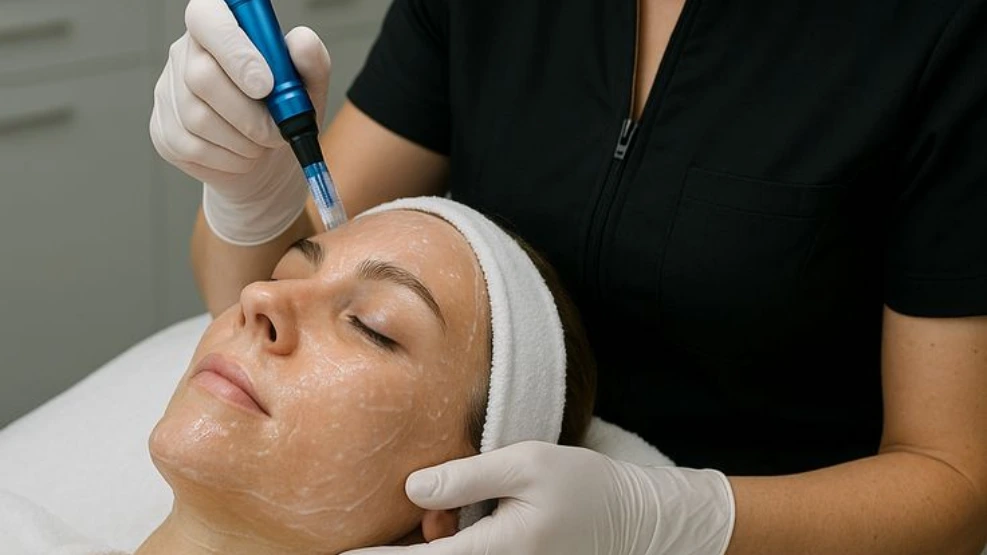
Microneedling has become one of the most requested advanced skin treatments in the beauty and aesthetics industry. Clients often look for it when they want support with skin texture, fine lines, acne scarring, enlarged pores, uneven skin tone, superficial pigmentation, and overall skin rejuvenation. For beauty professionals in Glasgow, an Ofqual microneedling course can provide a structured way to develop the knowledge and practical skills required to perform this treatment safely and professionally.
Microneedling may appear simple from the outside, but it is a treatment that requires strong underpinning knowledge. Practitioners need to understand skin anatomy, wound healing, infection prevention, needle depth selection, treatment planning, contraindications, aftercare, and professional documentation. This is why Level 4 training is important for anyone who wants to offer microneedling as more than a basic beauty add-on.
Scottish Beauty Expert Training Academy offers access to Ofqual courses in Glasgow for learners who want recognised training in advanced beauty and aesthetics. Learners can also view the Glasgow academy location if they are planning practical training around work, travel, or existing client commitments.
Microneedling
Microneedling, also known as skin needling, is a professional treatment that uses controlled micro-injuries to stimulate the skin’s natural repair process. These micro-injuries encourage wound healing activity and support collagen and elastin production. The result is a treatment approach that can help improve the appearance of skin texture, firmness, fine lines, acne scarring, enlarged pores, and dull or uneven skin.
The treatment is popular because it can be adapted to different skin concerns and treatment areas. However, safe practice depends on proper consultation and correct technique. A practitioner must know when the treatment is suitable, when it should be avoided, how to select appropriate settings, and how to provide clear aftercare instructions. Poor technique or weak consultation can increase the risk of irritation, poor healing, or unsatisfactory results.
The Ofqual Level 4 Microneedling Course in Glasgow is designed to help learners develop the theoretical knowledge and practical competence needed to deliver professional skin needling treatments to industry standards.
Why choose Ofqual-regulated microneedling training?
Ofqual-regulated training gives learners a more formal learning structure. Instead of attending a short demonstration-based workshop, students complete a qualification with defined learning outcomes, assessment requirements, portfolio work, theory, and practical training. This can help build a deeper understanding of treatment safety and professional standards.
In advanced aesthetics, this matters. Clients increasingly ask about practitioner qualifications, treatment safety, expected downtime, and aftercare. A therapist who has completed structured Level 4 training should be better prepared to answer those questions with confidence and accuracy. They should also be able to explain why microneedling works, how treatment plans are created, and what clients need to do before and after treatment.
Recognised training may also support professional insurance routes, although each insurer has its own requirements. Learners should check with their insurer before booking and before offering treatments professionally. Completing a qualification does not remove the need to meet insurance conditions, but it can form part of a more credible professional pathway.
Who is this course suitable for?
The Level 4 microneedling course is suitable for learners who are ready to progress into advanced skin rejuvenation treatments. This may include qualified beauty therapists with a valid Level 3 beauty qualification, learners who have completed a Level 4 facial anatomy and physiology qualification, or experienced practitioners who can provide evidence of relevant practical experience through a Recognition of Prior Learning route.
It can be especially useful for salon professionals who already offer facials, skin analysis, peels, or other skin-focused services and want to move into a more advanced treatment category. It may also suit self-employed therapists who want to attract clients looking for results-focused skin treatments rather than only relaxation-based beauty appointments.
For learners who do not yet meet the entry route, studying facial anatomy and physiology first can be a sensible step. Advanced skin needling requires a clear understanding of the skin, facial structures, wound healing, and client safety. It is better to build the foundation properly than rush into practical treatment work without enough knowledge.
What will you learn on an Ofqual microneedling course?
A strong Level 4 microneedling course should cover the principles of skin needling, advanced skin anatomy and physiology, health and safety, infection prevention, client consultation, skin analysis, treatment planning, indications, contraindications, device safety, needle depth selection, treatment procedures, wound healing, collagen stimulation, aftercare, and professional record keeping.
These topics are connected. For example, needle depth selection is not simply a technical setting. It depends on the treatment area, skin condition, client suitability, and intended outcome. Consultation is not just a form to complete. It helps the practitioner identify medical history, medication, skin concerns, previous treatments, expectations, and possible reasons not to treat.
Aftercare is also a major part of safe microneedling. Clients need to understand how to care for the skin after treatment, what to avoid, how to protect the skin, and when to contact the practitioner if they have concerns. A professional treatment experience includes preparation, treatment, and post-treatment guidance.
Why Glasgow is a strong training location
Glasgow has a busy beauty and aesthetics market. Many clients in the city are interested in advanced skin treatments, skin confidence, ageing support, acne scarring improvement, and professional skincare plans. For learners, training in Glasgow can provide local access to skills that are relevant to the city’s salon and clinic environment.
The city is also well connected for learners travelling from surrounding areas. Students from Paisley, East Kilbride, Hamilton, Motherwell, Coatbridge, Falkirk, Stirling, Ayrshire, and wider Central Scotland may find Glasgow a practical location for advanced training. This is particularly useful for working therapists who need to fit practical course days around existing appointments.
Training locally can also help learners understand the type of clients they may serve after qualifying. Glasgow’s market includes younger clients interested in acne scarring and texture, mature clients looking at fine lines and firmness, and general skincare clients who want healthier-looking skin. A well-trained practitioner can adapt consultation and treatment planning to these different needs.
How microneedling can support your treatment menu
Adding microneedling can help a beauty business move into more advanced skin services. Many standard facials focus on relaxation, cleansing, massage, or surface hydration. Microneedling is different because it is positioned around skin repair, collagen stimulation, and progressive improvement. This can support treatment courses, review appointments, and longer-term skin journeys.
For example, a client with acne scarring may need a series of treatments over time. A client with dull skin and early signs of ageing may need a plan that includes consultation, treatment preparation, microneedling sessions, aftercare, and homecare advice. A client with enlarged pores or uneven texture may need realistic expectations about gradual improvement.
This creates an opportunity for practitioners to build stronger client relationships. Instead of selling single appointments only, they can provide professional programmes that are based on skin goals and treatment suitability. This can improve the quality of service and support business growth.
Safety and consultation are central
Microneedling should never be treated as a one-size-fits-all service. Some clients may not be suitable because of medical conditions, medication, active infections, skin disorders, recent treatments, pregnancy considerations, or healing concerns. Others may be suitable but need treatment adjustments or a staged approach.
This is why consultation and skin analysis are core parts of Level 4 training. Practitioners need to ask the right questions, assess the skin, explain the procedure, discuss risks, gain informed consent, and record treatment details. These steps protect both the client and the practitioner.
Good consultation also improves client satisfaction. When clients understand what the treatment can and cannot do, they are less likely to expect unrealistic overnight results. They can make informed decisions and follow aftercare more carefully.
What to expect from the course format
The course combines online learning, home study, practical training, portfolio completion, practical assessment, and theory assessment. This blended structure is useful because learners can build theoretical understanding before attending practical training. It also allows working professionals to study around existing schedules.
During practical training, students can observe demonstrations, practise treatment procedures, understand equipment setup, and receive tutor feedback. Practical assessment helps confirm that learners can apply knowledge safely and professionally. Portfolio work supports reflection, evidence, and understanding of the required standards.
This type of course should be approached seriously. Learners should allow time for study, revision, model sourcing where required, and assessment preparation. The goal is not only to gain a certificate, but to become confident enough to perform treatments responsibly.
Career opportunities after Level 4 microneedling training
After successful completion, learners may use their qualification to expand their treatment menu, work toward an advanced skin therapist role, develop a self-employed aesthetics business, or add microneedling to an existing salon or clinic service list. The exact route depends on the learner’s previous experience, business goals, insurance approval, and local market.
Microneedling can pair well with other skin-focused services, such as facials, skincare consultations, chemical peels, LED therapy where appropriate, and homecare planning. It can also support a more professional skin clinic identity for salons that want to move beyond basic beauty treatments.
For Glasgow-based practitioners, this can be a valuable skill because clients are increasingly looking for treatments that feel purposeful, professional, and results-focused. A recognised qualification can help you present your services with more confidence.
Final thoughts
An Ofqual microneedling course in Glasgow can be a strong step for beauty professionals who want to progress into advanced skin rejuvenation. The treatment is popular, but it requires proper training, strong consultation skills, safe technique, and clear aftercare knowledge.
For learners who meet the entry requirements, the Ofqual Level 4 Skin Needling Course offers a structured route into professional microneedling training. With the right foundation, learners can build confidence, expand their treatment menu, and support clients with safe, professional skin rejuvenation services in Glasgow and beyond.
FAQs
1. What is an Ofqual microneedling course?
An Ofqual microneedling course is a recognised training programme designed to help learners develop the theory, practical skills, consultation knowledge, and safety awareness required for professional skin needling treatments.
2. Is microneedling the same as skin needling?
Yes. Microneedling is commonly referred to as skin needling. Both terms describe a treatment that uses controlled micro-injuries to support skin rejuvenation.
3. Is this course available in Glasgow?
Yes, Scottish Beauty Expert Training Academy offers access to advanced beauty training through its Glasgow academy location, making it suitable for learners in Glasgow and surrounding areas.
4. Do I need a previous beauty qualification?
Learners usually need a suitable Level 3 beauty qualification, a relevant Level 4 anatomy and physiology qualification, or accepted practical experience through a Recognition of Prior Learning route.
5. What skin concerns can microneedling training help me work with?
Microneedling is commonly used to support concerns such as fine lines, acne scarring, enlarged pores, uneven skin texture, superficial pigmentation, dullness, and overall skin rejuvenation.
6. Can I study while working?
Yes. The course includes online learning, home study, portfolio work, and practical training, which can support learners who are balancing study with work or other commitments.
7. Can I offer microneedling professionally after completing the course?
Successful learners may be able to offer microneedling professionally, subject to meeting insurer requirements and any relevant prerequisites. Always confirm this with your insurer.
8. Who is this course best suited for?
This course is best suited for beauty therapists, skin therapists, salon professionals, and experienced practitioners who want to progress into advanced skin rejuvenation treatments.