 contact@scottishbeautyexpert.com

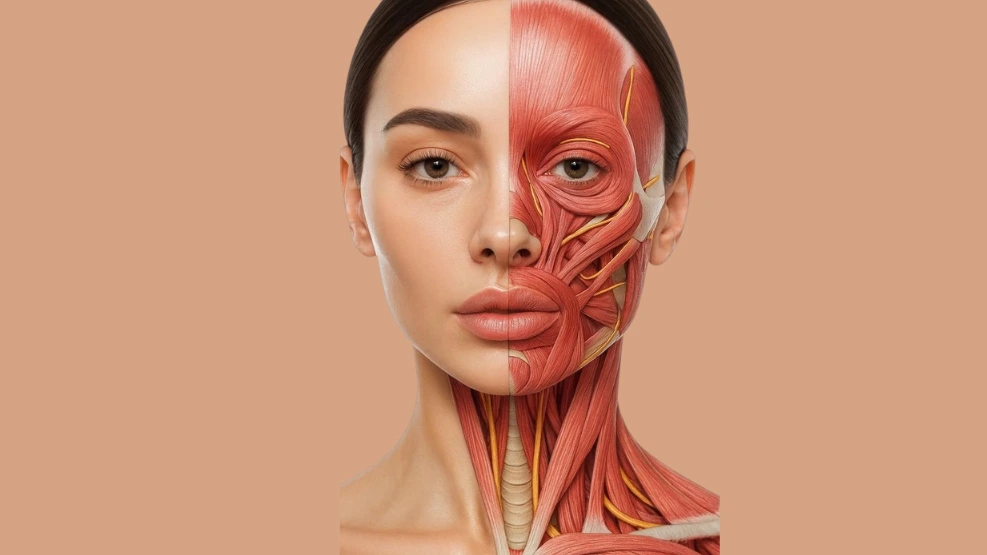
Advanced aesthetics requires more than confidence with products and equipment. Before a practitioner performs treatments such as microneedling or chemical skin peels, they need to understand the skin, facial structures, body systems, wound healing, infection prevention, and treatment planning. For learners in Glasgow who want to progress into advanced skin treatments, an Ofqual facial anatomy and physiology course can be a valuable first step.
This type of qualification is especially useful for learners who do not yet hold the required background for Level 4 practical treatments. It can also benefit experienced beauty therapists who want to strengthen their scientific knowledge before moving into more advanced services. In aesthetics, the better you understand the body, the more carefully and professionally you can approach treatment decisions.
Scottish Beauty Expert Training Academy offers Ofqual courses in Glasgow for learners who want a recognised pathway into advanced beauty and aesthetics. Students can also view the Glasgow academy location when planning practical training or future progression courses.
Why anatomy and physiology matters in aesthetics
Facial anatomy and physiology is the foundation that helps practitioners understand what they are treating. The skin is not just a surface. It is a complex organ with layers, functions, blood supply, nerve endings, immune responses, repair processes, and interactions with wider body systems. When a practitioner applies a peel or performs microneedling, they are influencing the skin’s response and repair mechanisms.
Without proper knowledge, advanced treatments can become mechanical. A learner may know the steps of a procedure but not understand why those steps matter. Anatomy and physiology training helps connect technique with safety. It teaches learners to think about skin structure, healing, sensitivity, contraindications, and how treatment choices affect the body.
The Ofqual Level 4 Facial Anatomy and Physiology Course provides the underpinning knowledge required for learners who want to progress into advanced Level 4 aesthetic qualifications, including microneedling and chemical skin peeling.
Who should study this course?
This course is suitable for beginners who want to move toward advanced aesthetics, qualified beauty therapists who want an Ofqual-regulated qualification, and practitioners who need stronger anatomy and physiology knowledge before progressing to practical Level 4 treatments. It is also useful for learners who are unsure whether they are ready for advanced practical training and want to build a safer foundation first.
Because the course is theory-based, it can be a practical option for learners who want to study around work or family commitments. It includes online learning, home study, portfolio completion, tutor support, and theory assessment. This flexible structure allows students to develop knowledge without needing to attend multiple practical training days for this qualification itself.
It is important to understand that this qualification does not qualify learners to perform practical aesthetic treatments on its own. Instead, it provides the essential theoretical foundation required before progressing into practical Level 4 qualifications. Learners who want to offer microneedling or chemical peels professionally will still need to complete the relevant practical training and meet insurer requirements.
What does the course cover?
The course covers advanced facial anatomy, skin anatomy and physiology, structure and function of the skin, facial skeletal system, facial muscular system, circulatory system, lymphatic system, nervous system, endocrine system, wound healing, tissue repair, skin ageing, health and safety, infection prevention, client consultation, treatment planning, professional standards, and record keeping.
Each topic supports safer treatment thinking. For example, understanding the circulatory and lymphatic systems helps learners appreciate how the face is supplied and supported. Understanding the nervous system helps learners consider sensitivity and client comfort. Understanding wound healing and tissue repair is essential before progressing to treatments that stimulate controlled skin response.
Skin ageing is also an important part of the learning journey. Clients often seek advanced treatments because they are concerned about fine lines, firmness, texture, pigmentation, and dullness. A practitioner with stronger knowledge can explain ageing changes more clearly and recommend realistic treatment pathways after completing the appropriate practical qualifications.
How this course supports progression into microneedling
Microneedling works by creating controlled micro-injuries in the skin to stimulate a natural repair response. This process is closely connected to wound healing, collagen production, elastin support, inflammation, skin barrier function, and aftercare. A practitioner who does not understand these processes may find it harder to make safe and informed treatment decisions.
Facial anatomy and physiology training helps learners understand why microneedling requires careful consultation, suitable client selection, correct needle depth, infection control, and post-treatment guidance. It also helps learners understand why results are gradual and why clients may need a course of treatments rather than a single appointment.
For learners in Glasgow who want to study microneedling later, this qualification can provide an important stepping stone. It helps create the knowledge base needed before moving into hands-on treatment practice.
How this course supports progression into chemical skin peels
Chemical skin peels work by applying selected acids to create controlled exfoliation and encourage skin renewal. To use peels safely, a practitioner must understand skin layers, barrier function, cell turnover, sensitivity, contraindications, pigmentation risk, healing response, and aftercare. Anatomy and physiology knowledge makes this much easier to understand.
For example, a learner studying chemical peels needs to know why some skin types require extra caution, why recent exfoliation or active skincare may affect suitability, and why sun protection is so important after treatment. These are not just product instructions. They are linked to how the skin functions and repairs itself.
Completing a facial anatomy and physiology qualification before practical peel training can help learners feel more prepared and more confident. It can also improve the quality of questions they ask during practical training because they already understand the foundation.
Why Glasgow learners benefit from a structured pathway
Glasgow has a large and competitive beauty and aesthetics market. Clients have many choices, and practitioners need to stand out through professionalism, training, and safe practice. A structured Ofqual pathway can help learners build credibility step by step rather than jumping into advanced treatments too quickly.
For a beginner, this may mean starting with facial anatomy and physiology, then progressing to practical Level 4 skin treatments. For an existing therapist, it may mean using the course to refresh and strengthen scientific understanding before expanding the treatment menu. For a salon owner, it can help create a more professional training pathway for future services.
Glasgow is also accessible for learners from nearby areas such as Paisley, East Kilbride, Hamilton, Motherwell, Clydebank, Stirling, Falkirk, Ayrshire, and wider Central Scotland. Learners can begin with theory-based study and later attend practical training when ready.
What makes theory-based training valuable?
Some learners are eager to start hands-on treatments as quickly as possible, but theory-based training should not be underestimated. In advanced aesthetics, theory is what helps practitioners understand risk, suitability, client communication, and treatment rationale. It is the difference between performing a routine and making informed professional decisions.
Because this course is completed through online learning, home study, portfolio work, and assessment, learners have time to absorb information. They can revisit topics, build notes, ask for tutor support, and connect the learning to their future goals. This can be especially helpful for beginners who are new to scientific terminology.
The portfolio element also encourages learners to organise evidence and demonstrate understanding. This supports professional discipline and prepares students for further qualifications where written work, case studies, and assessments may be required.
Career value of building the right foundation
Completing facial anatomy and physiology training can support long-term career development. It may help learners progress into microneedling, chemical skin peeling, and other advanced aesthetic qualifications. It can also make practitioners more confident when explaining treatments to clients, discussing skin concerns, and understanding treatment limitations.
Clients are more likely to trust practitioners who can explain what they are doing and why. If a client asks about healing, skin sensitivity, treatment timing, or why a certain treatment may not be suitable, the practitioner should be able to provide a clear and responsible answer. Foundation knowledge supports these conversations.
For business owners, stronger knowledge can also improve service quality. It supports better consultation forms, treatment protocols, aftercare sheets, and staff training. In a competitive market, professionalism can be as important as the treatment itself.
Important limitation: this is not a practical treatment licence
One of the most important points to understand is that facial anatomy and physiology training does not qualify a learner to perform practical aesthetic treatments by itself. It provides the theoretical knowledge required for progression. To offer microneedling, chemical peels, or other practical treatments professionally, learners must complete the relevant practical qualification and meet insurer requirements.
This distinction protects learners and clients. It helps prevent situations where someone studies theory and then begins offering treatments without proper hands-on training or assessment. A responsible pathway includes knowledge, practical competence, assessment, insurance, and ongoing professional standards.
Learners should therefore view this course as a foundation, not the final step. It is a strong place to begin, but it should be followed by the right practical qualification for the treatment area they want to offer.
How to decide if this is the right course for you
This course may be right for you if you want to progress into advanced aesthetics but need stronger anatomy and physiology knowledge first. It may also be right if you are a beginner who wants a recognised starting point, or if you are already in beauty and want to prepare for Level 4 practical training.
Before enrolling, think about your longer-term goal. Do you want to offer microneedling? Chemical peels? Both? Are you aiming to work in a salon, clinic, or self-employed setting? Do you understand the insurance requirements for your intended treatments? These questions can help you choose the correct training pathway.
If your goal is advanced skin treatments in Glasgow, starting with a recognised anatomy and physiology qualification can help you build confidence before moving into hands-on courses.
Final thoughts
An Ofqual facial anatomy and physiology course in Glasgow can be an important foundation for learners who want to progress into advanced aesthetics. It builds knowledge of the skin, facial structures, body systems, wound healing, and professional treatment planning, all of which are essential before performing advanced skin treatments.
For beginners, beauty therapists, and future advanced practitioners, the Ofqual Level 4 Facial Anatomy and Physiology Course offers a structured starting point. It can prepare learners for practical Level 4 training and support a safer, more professional route into aesthetics in Glasgow and across Scotland.
FAQs
1. Is this course suitable for beginners?
Yes. This course is suitable for beginners who want to progress into advanced aesthetics, as well as existing beauty professionals who want to strengthen their underpinning knowledge.
2. Is this course available for Glasgow learners?
Yes, Scottish Beauty Expert Training Academy offers training access for Glasgow learners, and students can review the Glasgow academy location for future practical training routes.
3. Can I perform microneedling after this course?
No. This course provides underpinning knowledge only. To perform microneedling professionally, you must complete the relevant practical Level 4 qualification and meet insurer requirements.
4. Can I perform chemical skin peels after this course?
No. This course does not qualify learners to perform chemical peels on its own. It provides the theory foundation required before progressing to practical chemical skin peeling training.
5. What topics are included in the course?
The course includes skin anatomy, facial anatomy, skeletal and muscular systems, circulatory system, lymphatic system, nervous system, endocrine system, wound healing, skin ageing, consultation, and professional standards.
6. How long does the course take?
The course is designed for flexible online learning, home study, portfolio completion, and theory assessment, with many learners completing it over approximately 6 to 8 weeks depending on progress.
7. Why is anatomy and physiology important before advanced aesthetics?
Anatomy and physiology helps learners understand how treatments interact with the skin and body. This supports safer decisions, better consultation, stronger aftercare advice, and more professional progression into advanced treatments.