 contact@scottishbeautyexpert.com

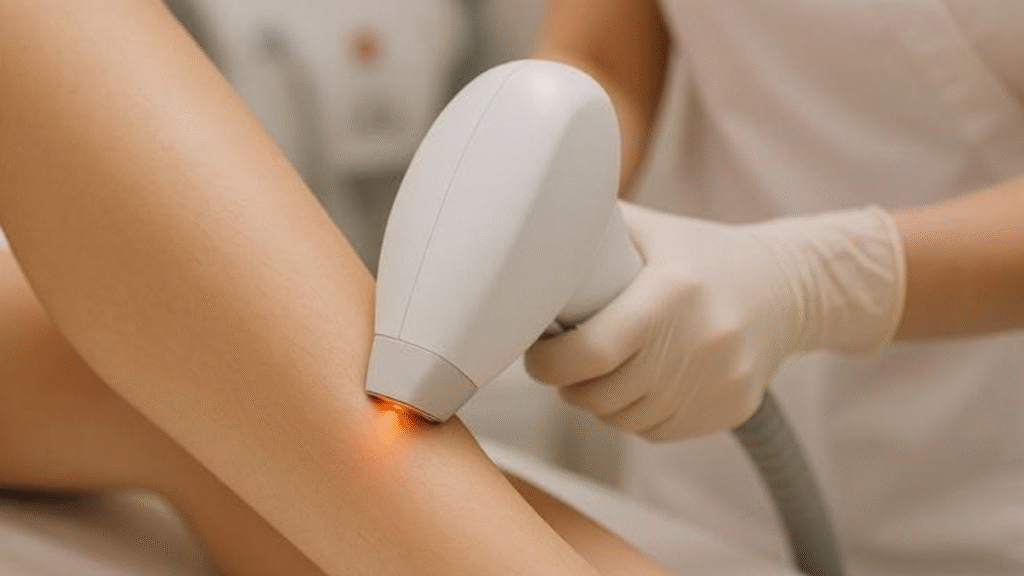
The beauty and aesthetics industry has changed significantly in recent years. Clients are no longer looking only for traditional salon treatments. They are increasingly choosing advanced, results-driven services that offer long-term value, visible improvement, and greater convenience. One of the clearest examples of this shift is the growing demand for laser treatments.
As a result, more learners are now asking an important question: how do you become a laser technician?
For aspiring beauty professionals, career changers, therapists, and salon owners, becoming a laser technician can be a smart and commercially valuable next step. It offers access to a specialist area of aesthetics, the opportunity to deliver high-demand treatments, and the potential to build a stronger professional profile in a competitive market.
In cities such as Glasgow and Aberdeen, where clients are actively seeking advanced treatments and trusted practitioners, laser training can open the door to real career growth. Whether you want to work in a clinic, add new services to an existing business, or build your own specialist brand, becoming a laser technician can be the start of a serious long-term pathway in aesthetics.
What Is a Laser Technician?
A laser technician is a trained professional who carries out laser-based aesthetic treatments using specialist equipment. In the beauty and aesthetics sector, this most commonly includes laser hair removal, but it may also extend into other device-led services depending on the training completed and the scope of the practitioner’s work.
A laser technician is responsible for much more than simply operating a machine. The role typically includes consultation, skin and hair assessment, patch testing, treatment planning, hygiene and safety procedures, client communication, treatment delivery, aftercare advice, and record keeping.
This means the job requires both technical knowledge and strong client-facing skills. A good laser technician must be able to work safely, explain treatments clearly, manage expectations honestly, and build trust with clients over a course of sessions.
Why More People Want to Become Laser Technicians
The demand for laser hair removal and other advanced aesthetic services has grown because clients increasingly want treatments that are efficient, modern, and long term. Many people are tired of the constant cycle of shaving, waxing, and temporary hair removal methods. Others are looking for support with issues such as ingrown hairs, skin sensitivity, unwanted facial hair, or convenience in busy lifestyles.
For practitioners, this creates a strong commercial opportunity. Laser treatments are often positioned as premium services. They usually involve repeat appointments over a treatment course, which can support ongoing client relationships and more predictable income. They also help practitioners move into advanced aesthetics rather than staying limited to basic beauty treatments.
In Scotland, this is particularly relevant in urban markets such as Glasgow and Aberdeen, where clients are increasingly aware of advanced aesthetic treatments and are willing to invest in qualified, professional providers.
Understand What the Career Involves
Before training, it is important to understand what the role actually requires. Becoming a laser technician is not simply about learning a quick procedure. It involves developing judgment, professionalism, and responsibility.
A laser technician must usually be able to:
- understand how laser treatments work
- assess whether a client is suitable for treatment
- recognise limitations and contraindications
- carry out consultations with clarity and professionalism
- perform patch testing where appropriate
- deliver treatment safely and methodically
- monitor client response
- give correct aftercare advice
- maintain accurate treatment records
- follow hygiene, safety, and professional standards throughout
Anyone entering this field should be prepared to treat it as a serious professional role rather than a casual add-on skill.
Choose the Right Laser Training Course
The most important step in becoming a laser technician is completing proper training. A strong laser course should combine theory, consultation skills, safety knowledge, and hands-on practical learning. It should help you understand not just what to do, but why you are doing it.
A good course should usually cover:
Laser theory
You need to understand how light-based treatment works, how laser energy targets pigment, how heat affects the hair follicle, and why treatment planning matters.
Hair growth cycles
Laser hair removal depends heavily on the growth cycle of the hair. You should understand the anagen, catagen, and telogen phases and why clients need multiple sessions spaced over time.
Skin and hair analysis
Laser treatment is not one-size-fits-all. Skin tone, hair colour, hair thickness, density, and treatment area all matter. Safe treatment planning depends on proper assessment.
Consultation and client assessment
This is one of the most important parts of the job. A strong course should teach you how to gather medical history, discuss treatment goals, identify potential concerns, explain limitations, and gain informed consent.
Practical training
Hands-on learning is essential. You should be taught how to prepare the treatment area, prepare the skin, use the handpiece correctly, position the client, maintain professionalism during treatment, and deliver aftercare instructions.
Health and safety
This is not optional. Eye protection, hygiene, documentation, machine handling, treatment protocols, and safe working practices must all be central to the training.
If you are choosing between courses, look carefully at whether the programme is genuinely practical and professional or whether it only teaches surface-level information.
Do You Need Previous Experience?
In many cases, not necessarily. Some laser training courses are designed to support beginners, while others may be more suitable for existing beauty therapists or aesthetics practitioners.
This means the correct entry point can depend on the structure of the course and the academy providing it. Some learners come from a beauty background and want to move into advanced treatments. Others are career changers who want to enter aesthetics from a different industry. Some are salon owners who want to expand their treatment menu. Others want to begin with laser because they see it as a specialist, high-demand area with strong future potential.
The key issue is not only whether you have previous experience, but whether the course is designed to build your knowledge properly and support safe, professional practice.
Build Confidence Through Practical Experience
Practical confidence is one of the biggest differences between someone who has attended a course and someone who is genuinely ready to work as a laser technician.
In treatment settings, clients notice confidence. They can tell whether a practitioner understands consultation, communicates professionally, and performs treatment with calm precision. This is why practical learning matters so much.
As you train, you should focus on becoming comfortable with:
- preparing the room correctly
- setting up equipment safely
- positioning yourself and the client properly
- handling treatment methodically
- observing skin response
- maintaining clear communication throughout
- concluding treatment professionally
- providing clear aftercare and follow-up guidance
Confidence does not come from rushing. It comes from learning the treatment thoroughly and repeating good practice until it becomes second nature.
Learn to Think Like a Professional, Not Just an Operator
A common mistake in advanced beauty training is focusing too much on the machine and not enough on professional judgment. A strong laser technician is not someone who simply copies settings or follows a routine without understanding. A strong laser technician is someone who can assess, explain, adapt, and work responsibly.
That includes understanding:
- why one client may be suitable and another may not be
- why treatment intervals matter
- why honest expectation-setting builds trust
- why documentation is essential
- why safety must come before speed
- why professionalism during consultation affects client retention
This professional mindset is one of the things that can help a practitioner stand out in cities such as Glasgow and Aberdeen, where clients increasingly value skill, trust, and consistency.
Start Gaining Real Career Direction
After training, there are several possible routes into work. The right one depends on your confidence, business goals, and current situation.
Work in a clinic or salon
This is often the most structured route. It can help you gain experience, work with real clients, and develop confidence in a professional environment.
Add laser to your existing beauty business
If you already have a salon, treatment room, or client base, laser can be a valuable addition to your services. It can increase treatment value and help move your business into a more advanced category.
Start an independent laser business
Some practitioners choose to specialise and build their own brand. This can be especially attractive for those who want long-term independence and the opportunity to become known locally for laser treatments.
Use laser as a pathway into advanced aesthetics
For many learners, laser is not the final destination. It is the beginning of a larger journey into device-led and advanced skin treatments.
Why Glasgow and Aberdeen Are Strong Places to Train and Work
For learners in Scotland, Glasgow and Aberdeen can both offer strong career potential, although in slightly different ways.
Glasgow is a large and active city with a broad beauty and aesthetics market. It offers exposure to a busy client base, strong treatment awareness, and a commercially active environment where advanced services are increasingly visible.
Aberdeen offers a different kind of opportunity. Clients in Aberdeen are also seeking professional, premium treatment experiences, and there is strong value in building trust and reputation in a market where consistent quality can help a practitioner stand out.
For someone asking how to become a laser technician in Scotland, these locations matter because they represent real career environments rather than abstract training destinations. Learners are not just choosing a course. They are choosing where they may build their professional future.
What Skills Will Help You Succeed?
Technical training is essential, but long-term success also depends on broader professional skills.
A successful laser technician should aim to develop:
- strong communication
- client care and professionalism
- honest expectation management
- attention to detail
- calm, methodical working habits
- hygiene awareness
- confidence with consultation
- the ability to build trust over repeat sessions
- good record keeping
- a commitment to ongoing learning
These skills are what turn training into a real career.
Is Becoming a Laser Technician Worth It?
For many people, yes. It can be one of the most commercially relevant routes into advanced beauty and aesthetics.
Laser treatments are widely recognised, actively searched for, and associated with visible, long-term results. They are usually delivered as a course of treatment rather than a one-off appointment, which helps support repeat bookings. They also position the practitioner at a more specialist level than many basic beauty services.
For beginners, laser can be the start of a serious new career. For existing therapists, it can be the qualification that helps them move into more advanced and profitable work. For salon owners, it can strengthen the treatment menu and attract a broader client base.
Final Thoughts
If you are asking how to become a laser technician, the answer begins with proper training, practical confidence, and a professional mindset.
This is not just about learning to use a machine. It is about developing the knowledge, consultation skills, safety awareness, and client care standards required to work responsibly in advanced aesthetics. With the right course and the right attitude, becoming a laser technician can lead to work in clinics, salons, independent businesses, and wider specialist aesthetic pathways.
In Scotland, and particularly in cities such as Glasgow and Aberdeen, the demand for advanced treatments continues to create meaningful opportunities for trained practitioners. For anyone who wants to move beyond basic beauty services and step into a more results-driven, specialist, and commercially valuable area of the industry, laser can be a strong place to begin.
You May Also Like
Eyelash Extensions Course | Complete Lash & Brow Technician Course | Korean Lash Lift Diploma | Lash & Brow Course (inc waxing)
FAQ
Do I need prior experience to become a laser technician?
Not always. Some courses are suitable for beginners, while others may be designed for learners with an existing beauty background.
Is laser technician training only for beauty therapists?
No. It can also suit salon owners, skincare practitioners, and career changers who want to enter the aesthetics industry.
What does a laser technician usually do?
The role may include consultation, skin and hair assessment, patch testing, treatment delivery, aftercare advice, and record keeping.
Can becoming a laser technician lead to a long-term career?
Yes. Many practitioners use laser as a long-term service in clinics or salons, while others use it as a pathway into wider advanced aesthetics.
Why is laser considered a strong career choice?
Because it is a high-demand, specialist treatment area that can support repeat bookings, premium pricing, and strong career progression.